Every patient walks into the clinic with different veins, different schedules, and different goals. Recovery after vein treatment should honor that. I have treated thousands of legs over the past decade as a vein treatment doctor, from straightforward spider veins to complex venous insufficiency that needed a staged approach. While techniques and tools have advanced, what separates a smooth recovery from a frustrating one is rarely high tech. It is the small decisions you make before and after the procedure, guided by the right plan and a bit of realism. My aim here is to share practical, experience-shaped advice you can use immediately.
What “recovery” really means after vein care
Recovery is not just “healing the puncture site.” It involves four parallel goals: sealing or removing the unhealthy vein segment, preventing clotting in places we do not want it, controlling inflammation and bruising, and shifting blood flow to healthier veins. The timeline depends on the treatment. A vein ablation doctor might close a great saphenous vein with heat or adhesive in under 30 minutes. A spider veins specialist might handle a cluster with sclerotherapy in 10 minutes. A vein surgeon working on phlebectomies through tiny incisions may take an hour. That variety is why advice on the internet can feel contradictory. The principles below bridge these techniques so you can make sense of what applies to you.
For clarity, when I say “ablation,” I mean thermal endovenous techniques like radiofrequency or laser. Adhesive closure refers to medical-cyanoacrylate systems. Sclerotherapy includes liquid or foam, often guided by ultrasound. Microphlebectomy removes surface varicosities through pinpoint incisions. Some patients need a combination staged over weeks. A certified vein specialist can map this sequence with a duplex ultrasound, which is not just “imaging,” it is our roadmap and quality check.
Before you leave the vein clinic: set yourself up to win
I ask my team to walk patients through three decisions before they step out: compression, activity, and symptom expectations. The best vein doctor tries to prevent surprises. Here is what that looks like in practice.
Compression: We size stockings with the knee slightly flexed and measure the calf at the widest point. Loose stockings do not help, overly tight ones cause numbness or skin dents. Most patients do well with 20 to 30 mm Hg for one to two weeks after ablation, and for two to seven days after sclerotherapy or phlebectomy. Some adhesive systems require far less compression or none at all, depending on the pattern of veins treated. If you have arterial disease, neuropathy, or trouble donning stockings, your vascular vein doctor will tailor pressure and duration.
Activity: Movement prevents stiffness and helps the deep veins pump. I recommend a brisk 10 to 20 minute walk the same day, and three to five short walks daily for the first week. Avoid heavy squats, deadlifts, or high-impact intervals for the first 5 to 7 days after ablation, and 7 to 10 days if you have extensive phlebectomies. For sclerotherapy only, most people resume normal routines within 24 to 48 hours, with the same caution on strenuous leg workouts.
Symptoms: A pulling sensation along the treated vein, modest bruising, small lumps, and intermittent zings of pain are common for 1 to 3 weeks. If this surprises you, you will worry. If you expect it, you will see it as part of the vein sealing and resorption process. A doctor for vein pain should also give you clear thresholds for calling the office, which I outline later.
The first 48 hours: comfort without compromising results
This window is about calm circulation and controlled inflammation. I tell patients not to overthink it, just keep blood moving and follow a few commonsense rules.
Hydration and salt balance help control swelling. Aim for water intake that keeps your urine pale yellow. If your legs swell easily, lighten your sodium intake for a few days. Elevation with the ankle above the heart for 15 to 20 minutes a couple of times a day reduces throbbing. Avoid long, hot baths and hot tubs right away. Heat dilates superficial veins, which can worsen inflammation and bruising.
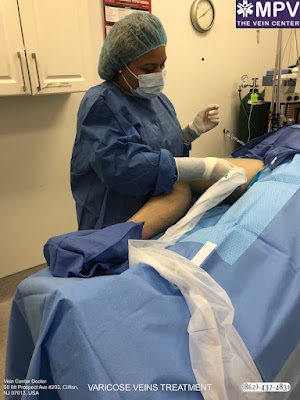
For pain, most patients do well with acetaminophen on a scheduled basis for the first day, then as needed. I am cautious with NSAIDs like ibuprofen in the first 24 hours right after sclerotherapy because they can alter inflammatory signaling that helps the vein scar down, though the evidence is nuanced. After ablation, judicious NSAID use for a couple of days is often fine unless your vein care doctor advised otherwise due to your medical history or the agent used. Ice can help for 10 minutes at a time over sore areas, just not directly on the skin.
Compression stockings should be worn during the day. If your vein clinic doctor asked you to keep them on overnight the first night, resist the urge to peel them off at 2 a.m. The second night, many patients sleep without them and wear them by day. If bandages are present after phlebectomies, keep them dry until your follow-up or as instructed. A handheld shower is usually fine after 24 hours, but confirm with your venous disease specialist.
The first week: how to walk the line between rest and movement
By day three, most people feel well enough to forget they had a procedure. This is where problems can creep in, not because you are fragile, but because veins take weeks to remodel. Think of the treated segment as stabilizing. The muscles around it need to contract and relax, but violent forces can stir up more inflammation than necessary.
I coach patients to structure their days around normal life with a couple of non-negotiables: short walks spread out, no long sedentary stretches, and compression during waking hours. Desk jobs are fine the next day as long as you stand every hour. Long commutes, flights, and road trips need planning. Break them into 45 to 60 minute segments with quick walks, ankle pumps, and calf raises. Hydrate more than you think you need on travel days.
Running, cycling, and swimming can resume in stages, guided by comfort. Many return to easy cycling within 48 hours and to easy running by day 5 to 7 after ablation. If your leg vein doctor performed microphlebectomies through several sites, give those incisions a week before submerging in pools. Heavy leg days at the gym can wait 7 to 10 days, sometimes longer if you bruise easily.
The second half of week one is when “cording” - a tender, rope-like feeling along the treated vein - can emerge. This is expected with ablation or foam sclerotherapy on larger trunks. Warm compresses for 10 to 15 minutes and gentle massage around, not on, the tender area help. A venous specialist doctor may recommend a short NSAID course if you tolerate it. The cord softens over 2 to 6 weeks as the vein resorbs.
What to expect by treatment type
Patients often compare notes online without realizing they had different procedures for different problems. Here is how recovery typically differs, in plain terms.
Ablation with radiofrequency or laser: Procedural discomfort is low, about 1 to 2 on a 10 scale for most. You will feel tightness along the inner thigh or calf where the great or small saphenous vein ran. Bruising varies by how easy you bruise and how much tumescent anesthesia was used. Walking the same day is encouraged. Compression during the day for 1 to 2 weeks is common. The main nuisance is aching that spikes on day 3 to 5 and then fades. Return to desk work is often next day, more physical jobs in 2 to 4 days.
Adhesive closure: Many experience less post-procedure tenderness because there is no heat, and the anesthesia Check out the post right here requirements are lower. Some centers do not require compression afterward, though if accessory veins or varicosities were also treated, a vein care specialist might recommend it for comfort. Patients often resume regular activity within 24 hours, with the same caution about heavy leg workouts for a week.
Sclerotherapy for spider veins: Expect the treated areas to look worse before they look better. They may darken or develop tiny red flares around the main clusters. That does not mean failure. For fair-skinned patients, the discoloration can take 3 to 12 weeks to fade. Avoid sun exposure on treated areas for a few weeks or wear SPF 30+ religiously, or you will risk persistent staining. Compression for several days improves results, especially for the lower legs. Micro-itching is common and transient.
Ultrasound-guided foam sclerotherapy for varicose trunks or perforators: Aftercare is closer to ablation in spirit. You may feel achy cords. Walking is good medicine. Compression helps. An experienced vein doctor will schedule a follow-up ultrasound in about a week to confirm closure and check for extension of clot into deep veins, which is uncommon but important to catch early.
Microphlebectomy: Bruising can be more visible because we removed bulging tributaries through tiny incisions. Keep Steri-Strips or bandages dry as directed. Itching around healing sites is normal. Scars usually blend with skin lines over months. Avoid submerging in baths or pools until cleared. Exercise can resume in steps over a week.
If you had a combination - say ablation of the great saphenous vein with phlebectomies - recovery pieces stack. Expect a bit more bruising and a day or two more of caution with strenuous activity.
Recognizing normal healing versus red flags
The vast majority of patients do well. I still give everyone a short list of warning signs because earlier phone calls are always better than late ones. Pain alone rarely worries me if it responds to simple measures. It is the combination of symptoms and context that matters.
Normal signs include mild to moderate aching that flares for a few days, focal tenderness along the vein path, small lumps under the skin, mild swelling that improves with elevation, and temporary skin discoloration over treated spider veins. A low-grade fever in the first 24 hours can occur with sclerotherapy. Numbness near puncture sites usually fades over weeks as local inflammation settles.
Call your vein clinic if you notice increasing calf swelling that does not improve with elevation, sudden shortness of breath, chest pain, fever above 101 F, severe redness spreading from an incision, drainage with a foul odor, or severe pain out of proportion to what you were told to expect. Also call if your compression stocking causes numbness or color change in the toes. A vein health doctor will often bring you in for a quick ultrasound if there is any concern for a deep vein thrombosis or an extension of clot from a treated superficial vein, known as endovenous heat-induced thrombosis after ablation. This is uncommon, and early management is straightforward.
Travel, work, and life logistics patients ask about most
It is normal to time vein care around busy seasons. I help many teachers, nurses, frequent flyers, and parents fit procedures into real life. A doctor for leg veins who has seen enough schedules will give you a practical plan rather than a rigid rulebook.
Work: Most desk workers return the next day. People on their feet all day usually manage with a day or two buffer and a lighter first week. If heavy lifting is part of your job, schedule your procedure before a lighter stretch if possible. Compression can make long shifts more comfortable.
Travel: Car trips are usually fine if you build in leg-stretch breaks every hour. Flying is safe, but I prefer you avoid long-haul flights in the first 5 to 7 days after ablation or foam in large veins. If you must fly, wear compression, hydrate, avoid alcohol, perform ankle pumps, and walk the aisle every hour. For short sclerotherapy sessions on spider veins, normal travel can resume faster, but the same movement rules help.
Exercise: Runners can return to easy efforts around day 5 to 7 after ablation, sooner after simple sclerotherapy. Cyclists often resume gentle spinning in 48 hours. Swimmers should wait until incisions, if any, are sealed, usually 5 to 7 days. Weightlifters should take a conservative week off from heavy leg sets, then ease in.
Heat and sun: Skip saunas and hot yoga for a week. Protect treated spider veins from sun for several weeks to reduce staining. Tanning right after sclerotherapy is a common reason for longer-lasting discoloration.
Footwear: Supportive shoes help in the first week. High heels alter calf pump mechanics and can make legs feel heavy. Flat, cushioned shoes promote circulation.
How compression really helps - and when it doesn’t
Patients either love or hate stockings. They help most when swelling is a feature of your vein disease or when larger veins were treated. A vascular circulation doctor prescribes a specific pressure range and length. Knee-highs work for most, thigh-highs or tights for symptoms above the knee. Off-the-shelf sizes fit many patients, but if you are between sizes or have a short tibia with a wide calf, the stocking can dig into the back of the knee and cause discomfort. In those cases, custom sizing or a different brand solves the problem more often than not.
If you struggle to get them on, a simple gadget called a donning aid makes a big difference. For those with arthritic hands or shoulders, a care partner’s help for the first few days goes a long way. If you develop a rash, itching under the silicone band, or toe numbness, let your vein treatment specialist know. There are hypoallergenic options and open-toe variants that can help. And yes, there are seasons to go without them sooner. After adhesive closure, many patients wear compression only for comfort, not as a requirement. After limited spider vein treatments, two to three days can be enough. This is where a conversation with your vein consultation doctor beats generic advice.
Managing bruising and pigmentation
Bruising peaks around day 3 to 5. Arnica gel may reduce the appearance, though clinical evidence is mixed. What reliably helps is time, elevation, and avoiding direct heat. For small spider veins, darkening called hyperpigmentation is common and fades over weeks to months as trapped blood breaks down. Gentle walking improves clearance. If pigmentation persists beyond three months, a review with your spider vein doctor can clarify whether there is leftover trapped blood, persistent feeder veins, or true skin staining. Treating feeder veins correctly reduces future discoloration. In my practice, I would rather stage treatments and let the skin recover than chase every thread in one session and risk more staining.
Sleep, diet, and the underrated role of the calf
Patients often overlook sleep. It is not just comfort, it regulates the inflammatory response and pain perception. Aim for regular bedtimes and a cool room. If stockings feel itchy at night, you can take a brief break if your doctor allowed daytime-only wear, then elevate on a pillow under the ankle, not the knee. Food-wise, lean proteins, colorful vegetables, and omega-3 rich fats support healing. If you retain fluid easily, keep an eye on salt and processed foods for a week.
The calf muscle is the heart of the lower limb’s venous system. It powers venous return with each step. That is why short, frequent walks beat one heroic workout followed by a couch marathon. Calf raises at the counter - slow up on a count of three, slow down on three - are simple, quiet medicine. Ten reps, three to five times a day, make an outsized difference in how legs feel by week two.
Follow-up and when more care is helpful
Quality vein care is not a single visit. A vein evaluation doctor uses follow-up ultrasounds strategically. After ablation, the first scan is often at 3 to 7 days to confirm closure and to ensure no deep vein involvement at the junctions. A second check at 4 to 6 weeks evaluates remodeling and plans next steps if needed. After foam sclerotherapy in larger veins, early ultrasound at about a week is common. For cosmetic spider veins, follow-up may rely more on visual inspection unless deeper feeders were treated.
Patients sometimes ask why they still see some surface veins two weeks after a successful trunk treatment. Think of venous disease as a network. Closing a failing main vein stops the backflow, but the visible tributaries can take time to shrink, and some need direct treatment afterward. A doctor specializing in veins will plan the order to minimize sessions and optimize results. It often looks like this: correct reflux in a saphenous vein first, remove or sclerose bulging tributaries next, then finish with surface spider veins. Rushing the order leads to more bruising and less durable improvements.
If you have chronic venous insufficiency with skin changes or healed ulcers, your venous disease specialist will likely recommend ongoing compression, skin moisturization, and periodic review even after procedures. The goal shifts from “fix and forget” to active prevention.
Special situations: diabetes, clot history, pregnancy, and athletes
Medicine is not one size fits all. I tailor recovery advice when certain factors are in play.
Diabetes: Glucose control improves healing and reduces infection risk. Monitor sugars more closely in the week after any procedure. Check skin daily where stockings contact. Use fragrance-free emollients on dry lower legs, but avoid heavy lotions directly on puncture sites until sealed.
History of clots: Your vascular vein specialist will balance clot risk with the low but real chance of bleeding. Sometimes we recommend a short course of a blood thinner around ablation or foam. Early walking and hydration are non-negotiable. Report calf swelling or disproportionate pain sooner rather than later.
Pregnancy and postpartum: We avoid elective saphenous ablation during pregnancy. For postpartum patients, timing procedures after breastfeeding or during a stable routine can make aftercare easier. Compression and elevation are particularly useful when childcare means long periods on your feet.
Athletes: Periodize your return. Replace high-impact intervals with cycling or pool running the first week. Respect the tightness you feel as information, not as a challenge to push through. Many runners set a conservative seven-day return to easy miles and regain full intensity by week two or three, depending on the extent of treatment.
What I tell patients who fear recurrence
Every vein patient worries their problem will come back. Recurrence is nuanced. Treated segments rarely reopen if technique and vein selection were appropriate. What you may see years later is progression of disease in segments that were not failing at the time, or new tributaries responding to hormonal shifts, weight changes, or occupational demands. This is not a failure, it is biology. The best vein doctor manages the underlying reflux first, then treats tributaries conservatively, and educates you on maintenance: keep moving, maintain a healthy weight, use compression for long travel or demanding shifts, and check in with your vein medical specialist at the first hint of new symptoms rather than waiting until bulges return.
My data across several hundred ablations show durable relief for most patients vein doctor near me at the 3 to 5 year mark, with a subset needing touch-ups for new tributaries or spider veins along the way. The patients who do best do not disappear after the procedure. They send a message when something changes. They use stockings strategically. They stay active. Small habits matter more than any single intervention.
A practical, compact aftercare checklist
- Walk 10 to 20 minutes the day of your procedure and repeat several times daily for the first week. Wear your prescribed compression during the day as directed, and protect treated spider veins from sun. Avoid heavy leg workouts and hot tubs for about a week, then resume gradually based on comfort. Elevate your legs briefly a couple of times daily, hydrate, and favor supportive shoes. Call your vein clinic if you notice persistent calf swelling, spreading redness, high fever, chest pain, or shortness of breath.
Choosing a partner for the recovery journey
The right doctor for veins sets expectations, gives you a reachable contact, and plans your follow-up. Look for a vein treatment provider who performs and interprets their own ultrasounds or works closely with a dedicated vascular sonographer. Board certification matters, but so does volume and how the practice manages complications. An experienced vein doctor will explain why they recommend ablation over foam, why adhesive might suit you, or why a staged approach makes sense when insurance requires conservative therapy first. If you are evaluating a vein clinic doctor, ask how they handle endovenous heat-induced thrombosis, whether they track outcomes, and how they coordinate with your primary care or cardiology team if you are on anticoagulants.
Titles and terms overlap in this field. A vascular surgeon veins specialist, an interventional radiologist, or a physician in interventional cardiology may all serve effectively as a vein treatment expert, provided they focus on venous disease and offer a full toolbox. The best vein doctor for you will listen, plan, execute, and guide recovery with the same attention they give to the procedure. Technique is critical, but recovery is where your quality of life improves day by day.
The quiet payoff
Recovery after vein treatment is mostly measured in ordinary moments. You notice you are not planning your route around elevators. Your legs do not throb at 3 p.m. on clinic days. You finish a shift without reaching for ice packs. Your evening walk becomes a habit, not homework. These are the signals that blood is flowing through healthy channels again and that your choices are working.
If you are preparing for care with a vein specialist, bring this to your pre-op visit. Ask your vein diagnosis specialist to tailor it to your case. Small details - stocking fit, work schedule, upcoming travel, an exercise habit you want to keep - deserve space in the plan. With clear communication and a few steady routines, recovery is usually smooth, and the results hold. That is not optimism, it is what I see week after week when patients and their vein care provider act like partners.